Beginner’s Guide to Home Plumbing starts with sharp eyes on common trouble spots: damp patches, running sounds, and slow drains. Understanding the layout—pipes, trunk lines, branches, and shutoff valves—helps you respond quickly. A practical toolkit, basic PPE, and safe tool use set the stage for confident hands-on work. Decide what stays DIY and what needs a pro, then establish a simple maintenance routine that flags worn seals before small issues become big ones. The next steps can change the way a home behaves.
How to Spot Drips, Clogs, and Leaks in Your Home
Spotting drips, clogs, and leaks starts with a vigilant check of common trouble spots. The guide outlines observable signs, such as damp patches, running sounds, and slow drains, enabling quick fixes before escalation. It clarifies common misconceptions about DIY fixes and emphasizes measured actions, routine inspection, and timely maintenance to prevent major damage while preserving freedom and reliability in the home.
Know Your Plumbing Layout: Pipes, Valves, and Water Sources
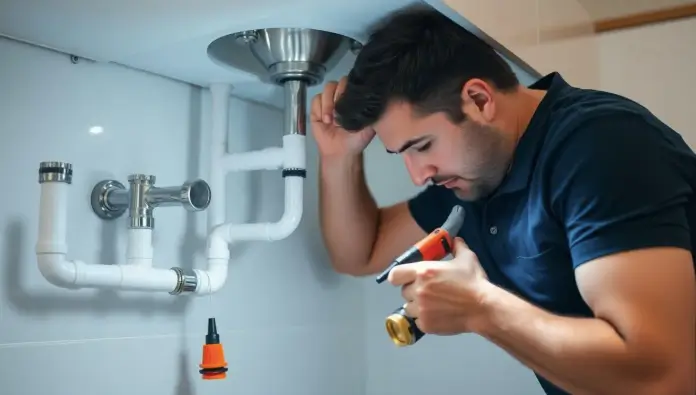
Understanding a home’s plumbing layout is the logical next step after learning to identify drips, clogs, and leaks. A clear view shows essential elements: pipes overview, how water travels from sources, and where valves should sit for control. Recognize trunk lines, branches, and shutoffs, then plan for maintenance. Valve placement awareness enables quick isolation during repairs and emergencies.
DIY Basics: Tools, Safety, and When to Tackle It Yourself
Beginning with a practical toolkit, the article outlines essential hand and power tools, their proper use, and how to select items suited to common home plumbing tasks, from simple tightening to valve replacement.
A straightforward Tools inventory approach guides readers toward practical, safe projects, emphasizing when to seek professional help.
Safety gear, PPE requirements, and prudent risk assessment shape responsible, freedom-minded DIY decisions.
See also: Technology Behind Modern Games
Maintenance Habits to Prevent Costly Plumbing Problems
Regular upkeep prevents costly leaks and water damage, and simple daily checks can reveal early signs of wear before they escalate.
The guide emphasizes routine maintenance routines, inspecting fixtures, drains, and valves for drips, corrosion, or unusual noises.
A concise prevention checklist helps schedule catch-up tasks, replace worn seals, test pressure, and document findings, supporting practical, freedom-based homeowner stewardship.
Conclusion
Beginner’s Guide to Home Plumbing concludes with practical takeaways: identify drips, clogs, and leaks early; map the home’s pipe layout and shutoff valves; assemble a basic tool kit and follow safety guidelines; distinguish DIY tasks from those needing a pro; perform regular maintenance to prevent costly repairs; document fixes and replacements for future reference. Will you commit to a simple inspection routine and preventive checks to safeguard your home’s plumbing and peace of mind? Start small, stay consistent, stay informed.