Altcoins offer potential diversification and upside beyond Bitcoin, but they carry higher risk and volatility. Their value hinges on technology, governance, tokenomics, and real-world use cases, with varying degrees of decentralization. Investors should assess fundamentals, transparent capital flows, and community governance while weighing market dynamics and risk controls. A disciplined, rules-based approach, clear exposure limits, and ongoing monitoring of regulatory momentum are essential, leaving the question open as to whether the risk-adjusted rewards justify exposure.
What Are Altcoins (And How They Differ From Bitcoin)
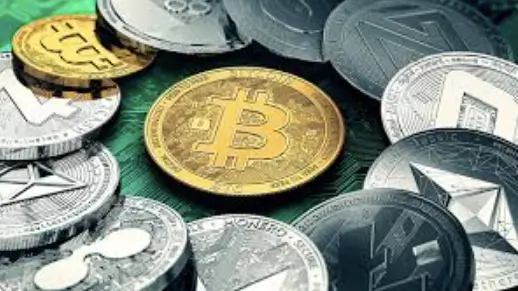
Altcoins are cryptocurrencies other than Bitcoin, designed to improve upon or complement Bitcoin by offering different features, consensus mechanisms, or use cases. They present diverse risk profiles and regulatory considerations, with varying degrees of decentralization and governance. Altcoin economics and token standards influence supply, incentives, and interoperability, shaping how investors assess potential. Clarity about use cases aids informed, freedom-minded participation in a evolving market.
How to Evaluate Altcoin Projects for Long-Term Viability
Evaluating altcoin projects for long-term viability requires a structured, evidence-based approach that weighs technology, governance, and market dynamics against regulatory and risk considerations.
Analysts measure risk metrics, assess tokenomics clarity, and verify transparent capital flows.
Emphasis on community governance provides insight into resilience, while regulatory impact analysis guards against systemic shifts, guiding prudent investment decisions for freedom-seeking audiences.
Risk, Volatility, and Portfolio Considerations for Altcoins
Are altcoins suitable investments when volatility dominates the landscape and risk controls are variable?
A data-driven view notes high beta exposure, liquidity gaps, and model uncertainty, signaling disciplined risk assessment is essential.
Portfolio effects hinge on diversification strategy, position sizing, and downside protection.
Investors should weigh tail risks, correlation shifts, and regulatory factors while maintaining transparent, rules-based evaluation standards.
See also: Technology Behind Modern Games
Regulatory Landscape and Market Sentiment: What Investors Should Watch
Regulatory developments and prevailing market sentiment collectively shape altcoin risk and opportunity, with policy clarity and investor confidence evolving in tandem.
Regulatory uncertainty persists as jurisdictions refine classifications and enforcement, while market sentiment fluctuates with headlines, enforcement actions, and macro signals.
Investors should monitor regulatory momentum, disclosure standards, and cross-border decisiveness, aligning risk controls with transparency to navigate volatility and preserve freedom in strategic allocation.
Conclusion
Altcoins offer growth potential but come with higher risk, volatility, and regulatory uncertainty. A data-driven investor should evaluate fundamentals, tokenomics, and governance, while monitoring capital flows and real-world use cases. Diversification and explicit risk controls are essential, with clear exposure limits and ongoing reassessment as regulation and market sentiment evolve. In short, altcoins can complement a disciplined portfolio, but only under rigorous analysis and prudent risk management—a double-edged sword that rewards caution and evidence-based decisions.