Scaling a product business is exciting, but it brings new complexity to decisions that may have seemed simple at a smaller scale. Packaging procurement is one of the areas where growing brands most commonly encounter challenges — managing lead times, maintaining quality consistency, negotiating favorable pricing, and selecting the right supplier for the long term.
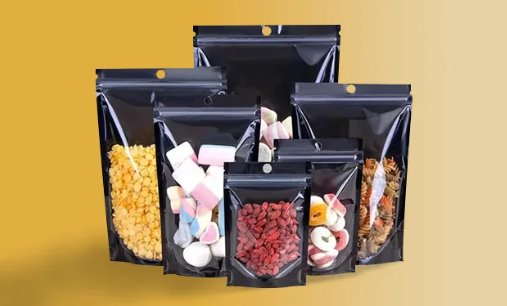
For brands using mylar bags, the move from small custom print runs to wholesale purchasing requires a different approach. This guide walks through the key considerations for brands ready to buy custom mylar bags at scale, from understanding pricing structures to evaluating supplier capabilities.
Understanding Wholesale Pricing Structures
The economics of mylar bag procurement improve significantly with volume. Material costs, setup costs, and production overhead are spread across a larger number of units, reducing the per-unit cost substantially. However, the relationship between volume and price is not always linear, and understanding the pricing structure helps you make smarter purchasing decisions.
Most mylar bag manufacturers structure pricing in tiers based on quantity. The price per unit drops as you move up through the tiers, typically with significant reductions at key thresholds. Knowing where these thresholds fall allows you to time your orders to take advantage of the best rates.
Setup costs, which include plate creation for flexographic printing or initial file preparation for digital printing, are fixed regardless of order volume. For small runs, these costs represent a significant proportion of total spend. As volumes increase, they are amortized across more units and become less significant. Some suppliers waive or reduce setup costs for reorders of the same design, which can be an important factor when evaluating long-term cost of ownership.
Minimum order quantities vary between suppliers and production methods. Digital printing typically allows for shorter runs than flexographic printing, which requires the production of physical printing plates. For brands that need flexibility to test new designs or manage multiple SKUs, a supplier with strong digital printing capability may offer more appropriate terms than one focused purely on high-volume flexographic production.
Evaluating Supplier Capabilities
Not all mylar bag manufacturers are equally equipped to serve growing brands. The key capabilities to evaluate are production capacity, print quality, quality control processes, and supply chain reliability.
Production capacity should comfortably exceed your current needs, with headroom for growth. A supplier who is already at maximum capacity when they take on your account will struggle to accommodate volume increases or rush orders when your business grows.
Print quality is best evaluated through samples and references. Ask to see production samples, not just studio renders, and request references from brands in similar product categories. Color management processes, press calibration, and consistency between runs are all worth asking about directly.
Quality control processes should include incoming material inspection, in-process monitoring, and outgoing inspection of finished goods. Certifications such as ISO 9001 provide some assurance of systematic quality management, but they are not a substitute for direct assessment.
Supply chain reliability is critical for growing brands. Late packaging deliveries can halt production and cause missed retail commitments. Understanding a supplier’s typical lead times, how they manage supply disruptions, and what stock management options they offer is essential before committing to a long-term relationship.
Brands evaluating suppliers should consider manufacturers offering full-service custom mylar bags production with demonstrated experience across multiple product categories and order volumes.
Managing the Ordering and Reorder Process
Efficient procurement processes save time and reduce risk. For wholesale mylar bag purchasing, this means establishing clear specifications, maintaining approved samples, and building a reorder cadence that avoids both stockouts and excess inventory.
Approved samples — bags produced from your live artwork and materials, signed off by both you and the supplier — are the gold standard for quality control. Every reorder should be measured against the approved sample, and any deviation should trigger a non-conformance process.
Lead times need to be built into your production planning. Standard lead times for custom mylar bags typically range from three to six weeks, depending on the production method, volume, and current factory loading. Rush production is usually available at a premium. Building two to four weeks of safety stock protects against supply chain delays without tying up excessive capital in packaging inventory.
Digital artwork management is another practical consideration. Maintaining well-organized files — including the correct dieline, color profiles, and font files — prevents delays when placing reorders or making design updates. Ensure your supplier stores a complete copy of your approved artwork file and that you retain your own master copy.
See also: Why Casual Workplace Apparel Is Changing Modern Business Culture
Conclusion
Wholesale mylar bag procurement rewards preparation, diligence, and the right supplier relationship. By understanding pricing structures, carefully evaluating supplier capabilities, and building disciplined procurement processes, growing brands can access the full cost and quality benefits of purchasing at scale while maintaining the flexibility to evolve their packaging as the business grows.